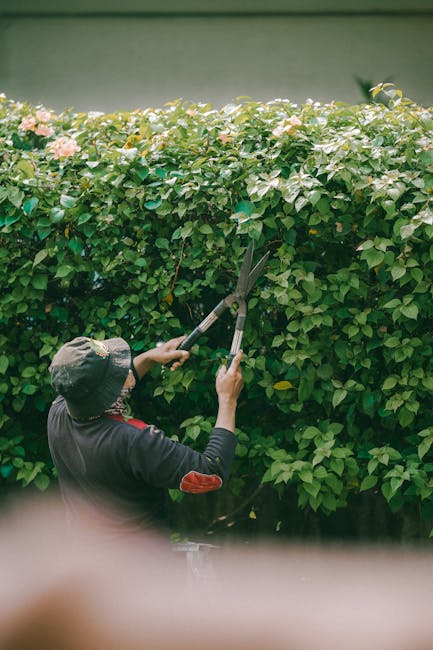
Avoid Hidden Charges from Thamesmead Gardeners: What to Know Before You Book
If you have ever asked for a gardening quote and then felt that quiet worry - is that really the final price? - you are not alone. Hidden charges can turn a simple tidy-up into a frustrating, expensive surprise. This guide on Avoid hidden charges from Thamesmead gardeners what to know explains how pricing should work, where extra costs usually appear, and what to check before anyone starts lifting a spade.
Whether you need regular upkeep, a one-off clearance, hedge cutting, lawn work, or a larger outdoor project, the same rule applies: clear quoting saves headaches. And to be fair, it also saves awkward conversations when the job is halfway done and the meter suddenly seems to be running faster than expected.
Below, you will find a practical, no-nonsense walkthrough of how to compare quotes, what to ask, which warning signs matter, and how to protect yourself while still getting good local service. If you want a broader overview of available work, you can also browse the services overview and the page on pricing and quotes for context before you speak to anyone.
Table of Contents
- Why this matters
- How hidden charges happen
- Key benefits of transparent pricing
- Who needs this guidance
- Step-by-step guidance
- Expert tips for better results
- Common mistakes to avoid
- Tools, resources and recommendations
- Law, compliance and best practice
- Options and comparison table
- Real-world example
- Practical checklist
- Conclusion
- Frequently asked questions
Why Avoid Hidden Charges from Thamesmead Gardeners: What to Know Matters
Garden work often looks straightforward from the outside, but pricing can change quickly once a team sees the site in person. A small front garden with easy access is one thing. A back garden full of brambles, rubbish bags, broken fence panels, or awkward side access is something else entirely.
That is why hidden charges matter. They do not just increase the final bill; they also undermine trust. If a quote is vague, you cannot properly compare it with another one. You end up comparing guesswork, which is never a good place to be.
In Thamesmead, as in much of London, people often need work done fast. A lawn has gone wild after a few wet weeks, a hedge is blocking light, or a clear-up is needed before a move. When time is tight, it is easy to say yes to the first quote that looks manageable. But a low headline price can hide extras for labour, waste, access, disposal, or minimum call-out charges.
Clear pricing does more than protect your wallet. It also helps you choose the right service level. For example, a simple mow is very different from full garden clearance or landscape work. If you know what you are paying for, you can decide whether you need lawn mowing, garden maintenance, garden clearance, or something more involved.
Key takeaway: the safest quote is not always the cheapest one. The safest quote is the one that clearly explains what is included, what is excluded, and when extra costs can apply.
How Avoid Hidden Charges from Thamesmead Gardeners: What to Know Works
Most hidden charges appear because the quote and the job do not match. That sounds simple, but in real life it happens all the time. A customer might say, "just a quick tidy," while the gardener sees dense growth, green waste, and a two-person job. Or a quote may cover trimming, but not disposal. Or travel may be included only within a certain distance. You get the idea.
In practice, good pricing usually works in one of three ways:
- Fixed quote: a set price for a clearly defined job.
- Hourly rate: useful when the scope is uncertain, but it should be explained clearly.
- Estimate with conditions: a starting figure that may change if agreed conditions are met, such as more waste than expected.
The issue is not that any of these models are wrong. The issue is when they are unclear. A sensible quote should tell you what the gardener has assumed. Has access been checked? Is green waste removal included? Are materials extra? Is VAT included if applicable? If the quote avoids those basics, you are being asked to accept uncertainty. Not ideal, really.
For bigger projects, such as landscaping, landscape gardening, decking services, or tree lopping and removal, the pricing should be even more specific. Those jobs can involve labour, equipment, waste handling, access challenges, and safety considerations. A "cheap" quote that fails to explain these points often becomes expensive later.
One more thing: hidden charges are not always deliberate. Sometimes they come from poor communication or incomplete surveying. That is why the best way to avoid them is to slow down at the start. A few precise questions now can save a lot of sighing later.
Key Benefits and Practical Advantages
When you know how to spot hidden charges, you make better decisions. Simple enough. But the real advantages go beyond saving money on a single visit.
- Better budgeting: you can plan the work without fearing surprise add-ons.
- Cleaner comparisons: two quotes become easier to compare when both explain labour, waste, and materials.
- Less stress: no one wants a pricing argument while the garden is half done and the tea has gone cold.
- Higher trust: a transparent gardener is usually easier to work with on future visits.
- Better job matching: you choose the right service instead of overpaying for something you did not need.
There is another subtle benefit: you start to understand what is normal in the trade. For instance, it is common for waste disposal to be priced separately on some jobs, especially if there is a lot of green waste or mixed rubbish. That is not a hidden charge if it is stated upfront. It only becomes a problem when it appears after the fact.
Transparent pricing also helps with recurring services. If you are arranging regular garden maintenance, it becomes easier to agree a repeat visit structure, perhaps monthly or seasonal, without rehashing the same details every time. That calm, predictable approach matters more than people sometimes realise.
Who This Is For and When It Makes Sense
This advice is for anyone booking a gardener in Thamesmead and wanting to avoid a messy pricing situation. That includes homeowners, landlords, tenants, property managers, and anyone preparing a garden for sale, letting, or an event.
It makes particular sense if:
- you have not used the gardener before;
- the garden has not been maintained for a while;
- the job includes waste removal, pruning, access issues, or a mix of tasks;
- you are comparing several quotes and want a fair basis for choice;
- you need a one-off job rather than a fixed schedule.
If the job is simple and routine, hidden charges are less likely, but still worth checking for. If it is more involved - say a heavy clearance, hedge reduction, or overgrown boundary work - then it becomes much more important to agree the scope in writing. That is especially true when the garden backs onto shared access, alleyways, or tight side passages, where labour can take longer than expected.
Some customers also underestimate the impact of seasonal growth. A hedge in spring can look very different by late summer, and a lawn after a few rainy weeks can become a proper handful. So yes, the same garden may cost more to tidy in one month than another. That is not always a rip-off. Sometimes it is just reality, unpleasant though it may be.
Step-by-Step Guidance
Here is a practical way to reduce the risk of hidden charges before you book any Thamesmead gardening work.
-
Describe the job clearly.
Explain what needs doing, how large the area is, and whether there is waste to remove. If possible, send photos from several angles. One picture of the "tidy" bit and one of the hidden mess behind the shed can make a big difference.
-
Ask what is included.
Check whether labour, travel, waste collection, materials, and equipment are in the price. Do not assume. A quick "is disposal included?" can save you from a surprise bin-fee style add-on later.
-
Ask what could cost extra.
This is the bit many people skip. Ask directly about access issues, extra waste, hard-to-reach areas, overgrowth, stump work, or weather delays. You are not being awkward; you are being sensible.
-
Request a written quote.
A written quote is easier to hold to than a quick phone estimate. It does not need to be fancy. It just needs to be clear.
-
Check whether it is fixed or estimated.
If it is only an estimate, ask what could change it and by how much. No one likes open-ended surprises.
-
Confirm the start conditions.
Ask what the site should look like before the team arrives. For example, if access must be clear or if bins need to be available, get that agreed in advance.
-
Keep the messages.
Save emails, texts, or quote notes. If there is any disagreement later, you will be glad you did. A screenshot now is worth a long conversation later.
If you need the sort of company information that should support this process, the pages on about us, insurance and safety, and health and safety policy are helpful trust signals to review before booking.
Expert Tips for Better Results
Some of the best advice is surprisingly plain. The trick is to ask the right questions in the right order. Here are a few habits that tend to keep pricing honest and straightforward.
- Compare like with like. A cheap quote that excludes waste removal is not really cheaper if you still need disposal.
- Be specific about boundaries. If the gardener is trimming only the front hedge, say so. Ambiguity is where pricing drifts.
- Ask for scope notes. A sentence like "front lawn cut, borders edged, clippings removed" is far better than "general tidy."
- Watch for vague phrases. Words like "from," "around," and "subject to" are not bad by themselves, but they should be explained.
- Check whether materials are separate. Soil, compost, timber, fixings, and turf can all change the price on more involved jobs.
One practical tip we often see overlooked: ask whether the team can give you a price range before the visit and then confirm the final figure after inspection. This is especially useful for larger or overgrown gardens. It is not perfect, but it creates a fairer process than accepting a vague verbal promise.
For ongoing outdoor improvements, it can also help to understand how your project sits across different service lines. A clearance job may naturally feed into maintenance. A hedge trim may be paired with boundary tidying. A deck repair may sit alongside broader landscaping. Thinking that way helps you spot when a quote is genuinely tailored rather than loosely padded. If your project touches multiple areas, the services overview is a useful starting point.
And yes, sometimes the most useful expert tip is simply this: if a quote makes you feel rushed, pause. A professional should be able to explain the numbers without huffing or disappearing for a week. Amazing how often that little test tells you enough.
Common Mistakes to Avoid
Most hidden-charge problems begin with one of a few ordinary mistakes. Nothing dramatic. Just small oversights that snowball.
- Accepting a verbal price with no detail. A nice chat is not a quote.
- Ignoring waste costs. Waste removal is one of the most common areas where final prices change.
- Not mentioning access problems. Narrow side gates, locked entries, or long carry distances can affect labour time.
- Assuming all gardeners price the same way. They do not. Some bundle more in; some separate out more items.
- Choosing only on the headline number. The cheapest quote may simply be the least complete one.
- Forgetting to ask about VAT or other taxes if applicable. If a business charges VAT, it should be made clear.
A common real-life scenario: someone books a hedge trim for a small front garden, then on the day asks the team to take away several bags of cuttings, trim the back hedge, and clear some old pots too. That is not a minor tweak; it is extra labour and disposal. A good gardener will explain the difference, but the customer may still feel blindsided if the original scope was never pinned down.
Another mistake is leaving the garden "as is" when the gardener asked for access to be cleared. A mower may be delayed by bikes, plant pots, children's toys, or garden furniture. Again, that is not necessarily a hidden charge, but it can lead to one if extra time is needed. A bit of tidy-up beforehand helps more than people expect.
Tools, Resources and Recommendations
You do not need special software to protect yourself from hidden charges. A simple, organised approach works best.
- Photos: take clear pictures of the full garden, access points, and problem areas before getting quotes.
- Written list: note the tasks you want done in plain English, one item per line.
- Message record: keep quote details in email or text rather than relying on memory.
- Question checklist: use the same questions every time so you can compare responses fairly.
- Policy pages: review trust pages such as payment and security, terms and conditions, and complaints procedure before agreeing to anything major.
If your project is heavily waste-led, the page on recycling and sustainability is worth looking at too. It can help you understand how green waste and responsible disposal may be handled. That matters more than people think, especially when a garden has been neglected for a while.
If you are still weighing up different types of work, use the specific service pages to understand scope. For example, hedge trimming is a very different job from garden clearance. One is usually tidy, measured, and repeatable. The other can be full of unknowns. Big difference, and it shows in the quote.
Law, Compliance, Standards, or Best Practice
Pricing transparency is not just a courtesy. In the UK, consumer-facing services are generally expected to describe charges clearly and not mislead customers about what is included. You do not need to become a legal expert to protect yourself, but you should expect straightforward information before work begins.
Best practice in this setting usually means:
- clear scope description;
- clear pricing structure;
- clear explanation of extras;
- reasonable notice before any change to the agreed cost;
- clear terms for cancellation, access, and payment.
For outdoor work, safety matters too. Larger jobs may involve ladders, cutting tools, heavy lifting, or the handling of waste. A responsible provider should be able to explain how they approach safety and insurance, especially when the work is on a busy property or involves trees, tall hedges, or slippery surfaces after rain.
That is why pages such as health and safety policy and insurance and safety are useful signs of a well-run business. They do not guarantee perfection - nothing does - but they do show that the provider has thought beyond the sale.
Also worth saying: if a business's payment process feels unclear, ask before paying anything upfront. The goal is not to be suspicious of everyone. It is simply to keep the transaction clean and understandable.
Options, Methods, or Comparison Table
Different pricing approaches suit different jobs. Here is a simple comparison to help you judge what you are being offered.
| Pricing method | Best for | Pros | Watch-outs |
|---|---|---|---|
| Fixed quote | Clear, well-defined jobs | Easy to budget; low surprise risk | Must state exactly what is included |
| Hourly rate | Jobs with uncertain scope | Flexible; useful for variable tasks | Final bill can climb if the scope grows |
| Estimate | Large or hard-to-see jobs | Helpful starting point | Needs clear conditions and a final confirmation process |
| Package pricing | Repeat maintenance or bundled tasks | Simple and convenient | Check whether add-ons are still chargeable separately |
For small and routine jobs, fixed pricing often feels easiest. For more complicated work, a measured estimate can be fairer, provided the conditions are clear. The key is not the format itself. The key is whether the format reduces confusion.
If you are comparing multiple services at once, such as mowing, trimming, and clearance, bundle logic can help. But only if each element is clearly priced. A bundled quote that hides one expensive element inside another is where people start feeling uneasy, and rightly so.
Case Study or Real-World Example
A homeowner in Thamesmead needed a back garden reset before a family gathering. The first quote sounded attractive because it was low and quick. But it only covered labour for a short visit. Waste removal, access through a side gate, and extra clearance of cuttings were all left vague. The homeowner nearly accepted it because the headline price looked friendly.
Instead, they asked for a written breakdown. The revised quote showed the real picture: a fixed amount for cutting and tidying, a separate line for waste disposal, and a note about extra time if the side access was blocked. The price was higher than the original headline number, but it was honest. More importantly, there were no arguments on the day.
The job itself was ordinary enough. Nothing glamorous. A lawn was cut, borders were cleared back, old growth was bagged, and the garden looked clean by late afternoon. The difference was not the gardening skill alone; it was the clarity before the work began. That is usually where the good experiences are won or lost.
This kind of situation is very common. The lesson is simple: if a quote feels too neat, ask what sits outside it. You may discover it is still fair - just incomplete. There is a big difference between those two things.
Practical Checklist
Use this checklist before you agree to any gardening work.
- Have I described the full job clearly?
- Have I shared photos or a site description if needed?
- Do I know whether labour, travel, waste removal, and materials are included?
- Have I asked what could trigger extra costs?
- Is the price fixed, estimated, or hourly?
- Have I checked the payment terms?
- Do I understand the cancellation or rescheduling process?
- Have I kept a copy of the quote or message?
- Have I reviewed the relevant trust pages, such as about us and terms and conditions?
- Have I made sure the scope matches what I actually want done?
If you can tick most of those off, you are in a much stronger position. Not perfect, but much stronger. And honestly, that is usually enough to stop avoidable surprises.
Get a free quote today and see how much you can save.
Conclusion
Avoiding hidden charges from Thamesmead gardeners is mostly about clarity, patience, and asking the right questions before work starts. When you know what is included, what is extra, and how the quote is structured, you can compare services properly and choose with confidence.
For small jobs, that might just mean checking waste removal and access. For larger projects, it may mean reviewing safety, insurance, sustainability, and the terms attached to the work. Either way, the principle stays the same: transparency protects both sides.
If you are planning a tidy-up, regular upkeep, or a larger outdoor transformation, take the time to get the scope right. It is a small bit of effort now, but it can save real money, time, and friction later. That is a fair trade any day.
And when the job is done properly, the garden feels better in a very ordinary, lovely way - cleaner lines, lighter air, less clutter, more room to breathe. Simple, really. That's the good part.
Frequently Asked Questions
How do I know if a gardener's quote has hidden charges?
Look for vague wording, missing disposal costs, unclear labour time, or no explanation of what happens if the job takes longer. If the quote is not specific, ask for a breakdown.
Should a gardening quote be written down?
Yes, ideally. A written quote or message is much easier to check later than a quick phone estimate. It helps prevent misunderstandings about scope and price.
Are waste removal fees normal for garden work?
They can be. Waste removal is often priced separately, especially for larger clearances or mixed rubbish. The key point is that the fee should be explained upfront, not added as a surprise.
What questions should I ask before booking a Thamesmead gardener?
Ask what is included, what is excluded, whether waste removal is covered, whether the quote is fixed or estimated, and whether anything could increase the final bill.
Is the cheapest gardening quote usually the best choice?
Not always. A low quote may leave out key items such as disposal, materials, or enough labour time. A complete quote is often better value than a cheaper but incomplete one.
Can access problems change the price?
Yes. Narrow gates, long carry distances, locked access, or awkward layouts can affect labour time and therefore the cost. Mention access issues before the visit.
What should be included in a transparent gardening quote?
It should usually include the tasks to be done, the pricing basis, any materials or waste charges, assumptions about access, and any conditions that could alter the final amount.
How can I compare two gardening quotes properly?
Compare the scope, not just the total. Check whether each quote covers the same tasks, waste handling, travel, materials, and any follow-up work. If not, they are not truly comparable.
Do I need to worry about VAT or taxes?
If a business charges VAT or other taxes, it should make that clear. Always check whether the quoted figure is inclusive or exclusive, so you know the final amount you will actually pay.
What if the gardener finds extra work on the day?
A good gardener should explain the new cost before going ahead. If extra work is found, ask for a revised price and agree it before the job continues.
Do regular maintenance jobs still need detailed quotes?
Yes, especially at the beginning. Once a routine is established, pricing may become simpler, but the first agreement should still be clear about tasks, frequency, and any extras.
Where can I check a company's trust and service information?
Useful starting points include the pages on about us, pricing and quotes, payment and security, and complaints procedure. They help you understand how the business works before you commit.
What if I am still unsure after getting a quote?
Do not rush it. Ask for clarification, compare one more quote if needed, and make sure the scope matches your expectations. A little extra checking now can save a lot of stress later.